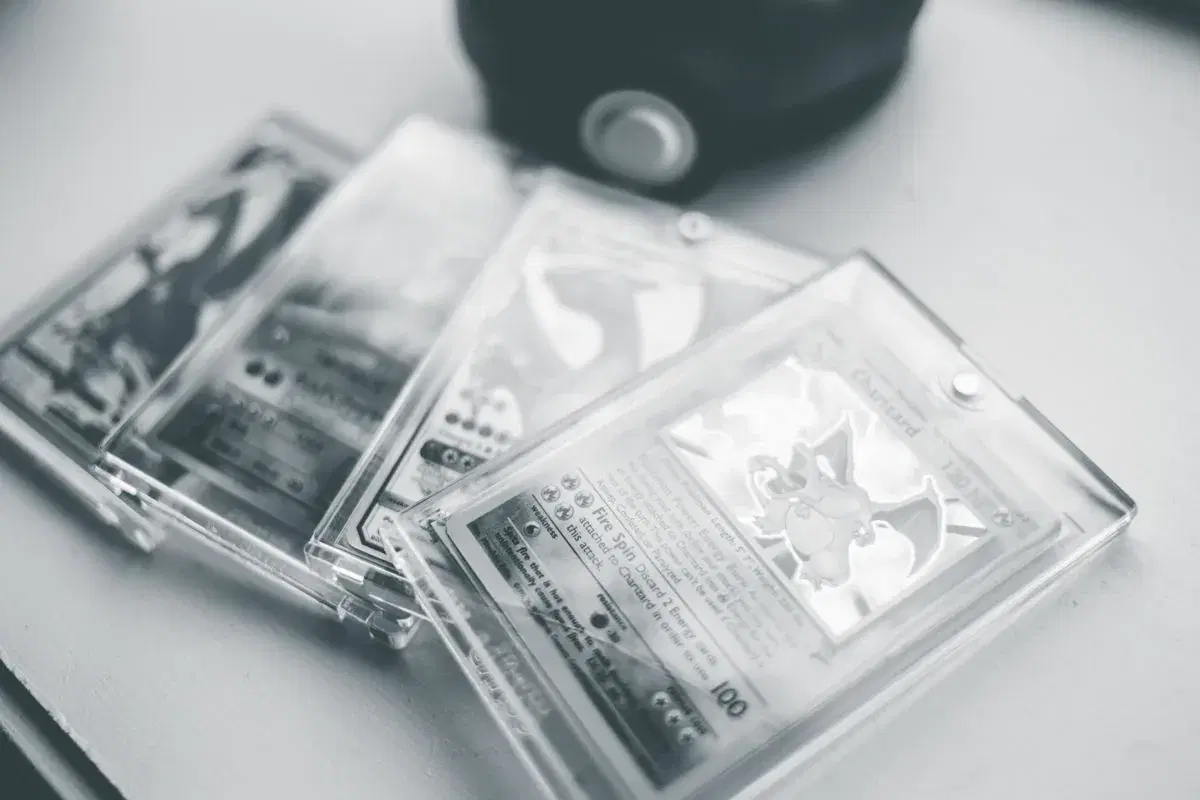

TCG Marketplace Fraud in 2026: The Seven Scams to Stop
Fake slabs, cloned cert numbers, resealed boxes, ban evasion. The seven trading card scams hitting marketplaces in 2026, with data from PSA, CNN and the DOJ.
Sep 28, 202611 min
Read more

A technical engineering comparison evaluating deepidv, Sumsub, and Persona against federal compliance mandates and corporate identity theft.
The industrialization of generative persona kits has transformed corporate fraud mitigation from a visual challenge into a code-level data verification task. When automated networks can feed flawless deepfakes directly into browser streams, backend cloud platforms remain critically vulnerable.
The fundamental point of failure for legacy systems is their complete reliance on post-capture graphic file checks.
Suggested read: Jumio vs 1Kosmos vs deepidv: Engineering High-Assurance Architecture
Book a 15-minute walkthrough. No slides. Just the product running on your use case.
Book a DemoBecause server-side routines evaluate the finalized file outputs, which generative models can make perfect. Only client-side edge telemetry tracking can detect that the data loop emerged from software code rather than physical hardware lenses.
deepidv binds each session to verified physical hardware through secure enclave validation and sub-pixel telemetry audits, blocking the reusable synthetic profiles and injected frames that identity theft rings use to clear onboarding.
Go live in minutes. No sandbox required, no hidden fees.
Fake slabs, cloned cert numbers, resealed boxes, ban evasion. The seven trading card scams hitting marketplaces in 2026, with data from PSA, CNN and the DOJ.
A guide to trading card fraud: counterfeit slabs, reslabbing, trimmed cards, non-delivery and triangulation scams, and how to authenticate a graded slab.
A practical peer-to-peer marketplace safety guide: spot overpayment, fake-payment, and off-platform scams, and how identity verification protects both sides.