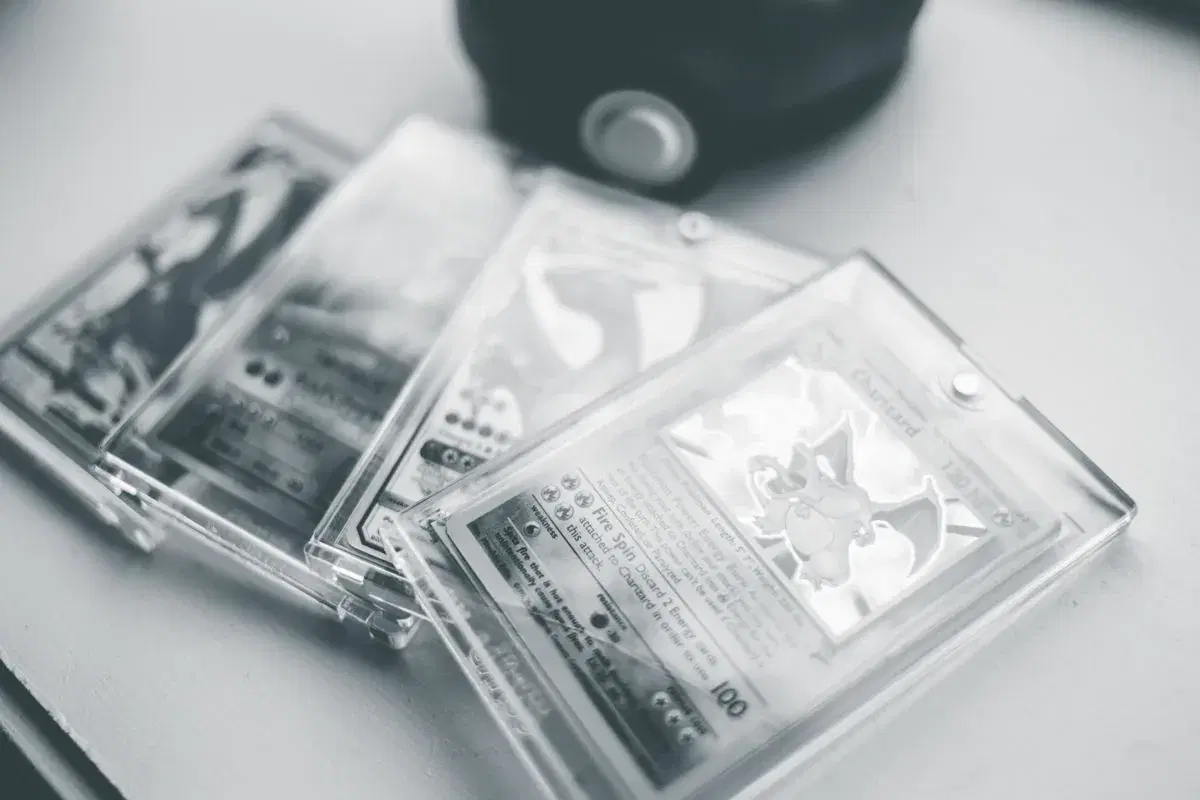
TCG Marketplace Fraud in 2026: The Seven Scams to Stop
Fake slabs, cloned cert numbers, resealed boxes, ban evasion. The seven trading card scams hitting marketplaces in 2026, with data from PSA, CNN and the DOJ.
Sep 28, 202611 min
Read more

The best deepfake detection tools of 2026, ranked and compared on accuracy, liveness, and price. See why deepidv leads. Book a demo.
Deepfakes and synthetic media now slip past basic liveness checks, and a single bypass at onboarding can open the door to fraud, fines, and reputational damage. We compared the leading deepfake detection tools of 2026 on three things that actually matter: how broadly they detect manipulation across image, video, and injection attacks, whether that detection lives inside a real verification flow, and whether the result is something you can prove later. Here is the ranked list and who each tool is for.
Methodology: we weighted detection breadth, integration into live verification, and auditability of the result. deepidv builds and maintains its own detection stack, so it appears first; the rest are ordered by fit for the deepfake-specific use case.
| Rank | Tool | Type | Deepfake coverage | Fits in verification flow | Provable result |
|---|---|---|---|---|---|
| 1 | deepidv (deepeye) | Verification engine + authenticity guard | Image, video, injection, synthetic media | Native, full KYC pipeline | Yes, cryptographic proof |
| 2 | iProov | Biometric face verification | Face liveness, injection defense | Native to face auth | Vendor logs |
| 3 | Reality Defender | Dedicated deepfake detection | Image, audio, video | API, add-on | Vendor reports |
| 4 | Sumsub | All-in-one KYC/AML | Liveness, deepfake checks | Native | Vendor logs |
| 5 | Onfido (Entrust) | Document + biometric IDV | Liveness, spoof detection | Native | Vendor logs |
| 6 | Incode | Identity verification | Liveness, anti-spoof | Native | Vendor logs |
| 7 | Sensity AI | Deepfake threat intelligence | Image, video monitoring | Monitoring, add-on | Vendor reports |
| 8 | Pindrop | Voice/audio analysis | Audio deepfake, voice fraud | Voice channels | Vendor logs |
| 9 | Veriff | Identity verification | Liveness | Native | Vendor logs |
| 10 | BioID | Biometric liveness (PAD) | Presentation attack detection | Component | Vendor logs |
Want to see deepfake detection running inside a real verification flow, with proof on every check? Book a demo.
deepidv (deepeye): deepidv pairs a full verification engine with deepeye, a dedicated authenticity guard built to catch AI-generated and manipulated media, the synthetic selfie, the injected video stream, the forged document. Because detection lives inside the same owned pipeline as identity verification and AML, and because every decision is cryptographically signed and independently verifiable at proof.deepidv.com, you do not just block a deepfake, you can prove you did, across 211+ countries. Best for teams that need deepfake defense inside a complete, provable verification flow.
iProov is known for high-assurance face verification with strong injection defense. Reality Defender focuses on dedicated multi-modal deepfake detection for content and media. Sumsub bundles liveness and deepfake checks into all-in-one onboarding popular with crypto and fintech. Onfido (now part of Entrust) offers document and biometric verification at enterprise scale. Incode runs identity verification with anti-spoofing for large onboarding volumes. Sensity AI specializes in deepfake threat intelligence and monitoring. Pindrop focuses on voice and audio deepfake detection for call centers. Veriff provides identity verification with global coverage. BioID offers biometric liveness as a component.
It is software that identifies AI-generated or manipulated images, video, and audio, so a fraudster cannot use a synthetic face, a forged document, or an injected video stream to pass an identity check or spread fake media.
Yes. Basic liveness was designed to catch a photo or a mask, not a high-quality generated face or an injected video feed. This is why dedicated deepfake and injection detection now matters alongside liveness.
Liveness confirms a real, present person. Deepfake detection confirms the media itself is authentic and not AI-generated or manipulated. You need both, and deepidv runs them together.
Through deepeye, its authenticity guard, which analyzes image, video, and injection signals inside the verification flow, then records a cryptographically signed, verifiable result.
When a decision is challenged months later by a regulator or in a dispute, a vendor log you have to be trusted on is weak evidence. A cryptographically verifiable record is the strongest possible proof that the check happened.
Go live in minutes. No sandbox required, no hidden fees.
Fake slabs, cloned cert numbers, resealed boxes, ban evasion. The seven trading card scams hitting marketplaces in 2026, with data from PSA, CNN and the DOJ.
A guide to trading card fraud: counterfeit slabs, reslabbing, trimmed cards, non-delivery and triangulation scams, and how to authenticate a graded slab.
A practical peer-to-peer marketplace safety guide: spot overpayment, fake-payment, and off-platform scams, and how identity verification protects both sides.