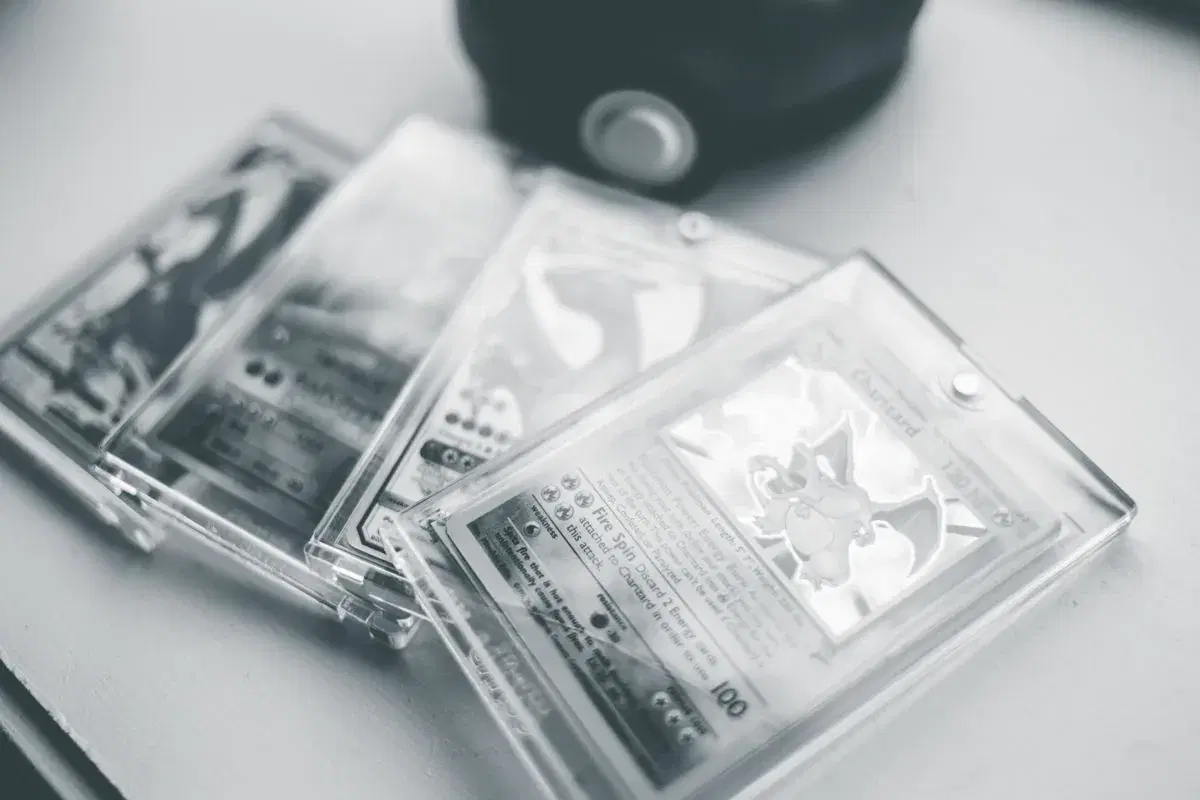
TCG Marketplace Fraud in 2026: The Seven Scams to Stop
Fake slabs, cloned cert numbers, resealed boxes, ban evasion. The seven trading card scams hitting marketplaces in 2026, with data from PSA, CNN and the DOJ.
Sep 28, 202611 min
Read more

Telemetry tampering is the new frontier of identity fraud. Learn how to verify device integrity and sensor data to stop AI-industrialized fraud.
The core defensive barrier for customer onboarding has transitioned from evaluating image metadata to auditing localized client source code. With AI loops easily outputting pixel-perfect credentials, validating device telemetry, the low-level data signatures transmitted by physical sensors during interaction, is the only methodology for true network protection.
Telemetry tampering manifests when an attacker compromises application runtime parameters to drop code streams directly into an identity SDK. Rather than attempting standard presentation fakes, modern syndicates leverage emulators and virtual camera drivers to simulate authentic user device environments.
Suggested read: The Human Guessing Fallacy: Why Visual Deepfake Audits Fail
Server-side image checks fail because they evaluate the finalized graphic file rather than intercepting the code loops that control the device camera sensor. By the time the frame reaches the cloud verifier, an attacker has already had the opportunity to swap it. Provenance flips the model. The capture device signs the frame inside hardware before it leaves the phone, and anything that arrives without that signature is rejected at the gateway.
deepidv pairs this hardware signature with continuous device telemetry verification across the session. The result is a verification path where every signal, from frame to ID card scan, is anchored to one physical device.
Because server-side tools evaluate the graphical output of a file, which AI can make flawless, while completely missing that the file emerged from a hijacked code script instead of a physical lens.
A virtual camera attack uses software (commercial broadcast tools or modified drivers) to feed pre-recorded or synthetic video into a verification SDK as if it came from a real lens. Telemetry verification catches the missing physical-sensor noise signature.
Yes. Device environment fingerprinting flags compromised devices and emulators during the verification handshake, before any biometric capture occurs.
Suggested read: Biometric Update 2026 Report Confirms Deepfake Detection Mandatory for IDV
Book a demo to secure your biometric data pipeline against telemetry manipulation.
Go live in minutes. No sandbox required, no hidden fees.
Fake slabs, cloned cert numbers, resealed boxes, ban evasion. The seven trading card scams hitting marketplaces in 2026, with data from PSA, CNN and the DOJ.
A guide to trading card fraud: counterfeit slabs, reslabbing, trimmed cards, non-delivery and triangulation scams, and how to authenticate a graded slab.
A practical peer-to-peer marketplace safety guide: spot overpayment, fake-payment, and off-platform scams, and how identity verification protects both sides.